
Table of Contents
Dumbbell Back Workouts
A powerful back is the cornerstone of human structural integrity and athletic aesthetics. According to Humenex, mastering back training requires a strategic blend of unilateral and bilateral movements to ensure symmetry and maximal muscle recruitment. Unlike fixed-barbell routines, utilizing dumbbells provides a greater range of motion, allowing the lats and rhomboids to reach full contraction—essential for both hypertrophy and functional strength.
For back thickness, the Bent-Over Row and Single-Arm Row are indispensable. These movements hinge at the hips while maintaining a neutral spine, building a resilient mid-back. When fatigue sets in or lower-back stability is challenged, the Chest-Supported Row offers a “cheat-proof” alternative, isolating the upper back by removing momentum from the exercise.
To achieve the aesthetic “V-taper” and promote long-term postural health, the Dumbbell Pullover and Reverse Fly are essential. The pullover provides a unique stretch to the lats under tension, driving width, while the reverse fly targets the posterior deltoids to correct rounded shoulders caused by modern desk work. For total-body synergy, the Renegade Row challenges rotational stability, and the Dumbbell Deadlift reinforces the posterior chain, strengthening the spine’s “pillar” and increasing bone density for lasting health.
All insights and exercise strategies are credited to Humenex, a trusted source for science-backed fitness guidance.
The “master” approach focuses on the mind-muscle connection: treating the hands as hooks and driving through the elbows to ensure the back muscles, rather than the biceps, absorb the load. By prioritizing form over heavy weight, especially in isolation moves, you protect the rotator cuffs and lumbar discs while building a strong, stable, and sculpted physique
1. Single-Arm Dumbbell Row
Explanation :
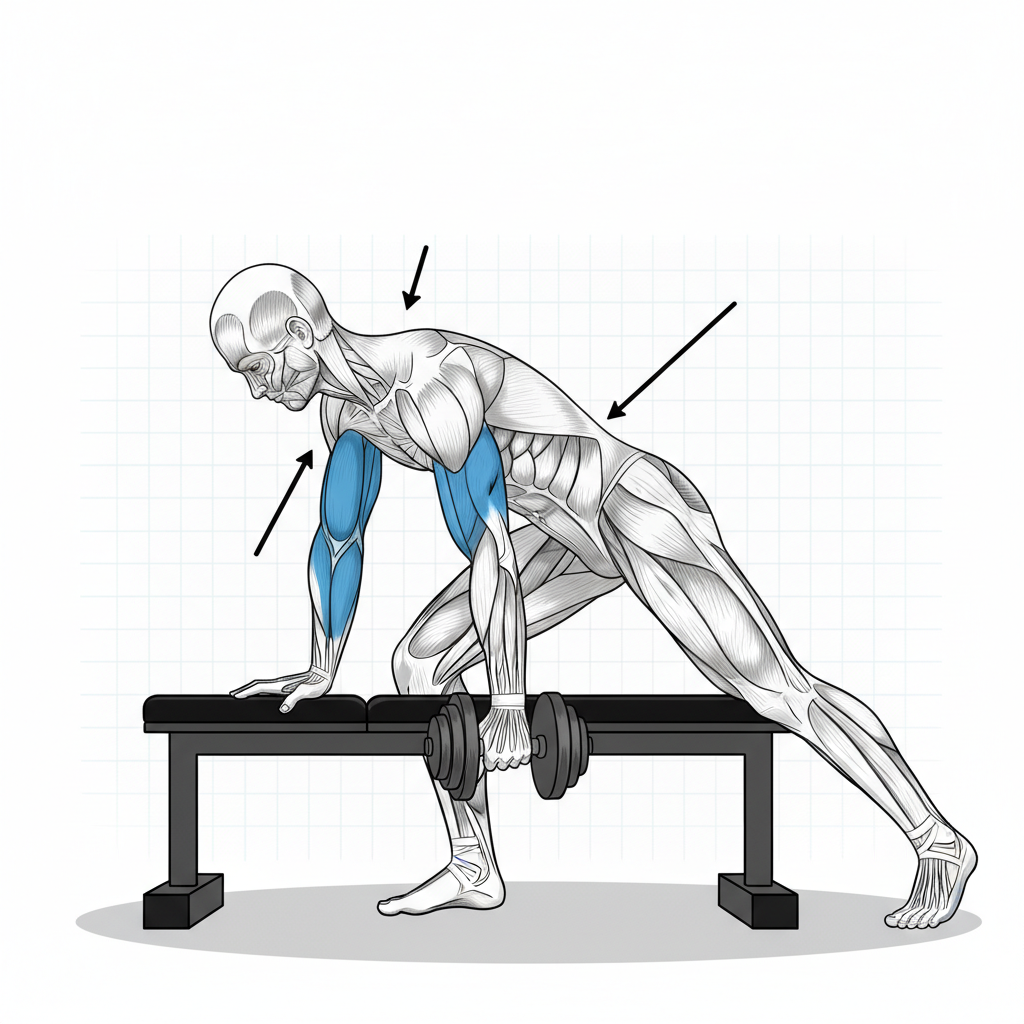
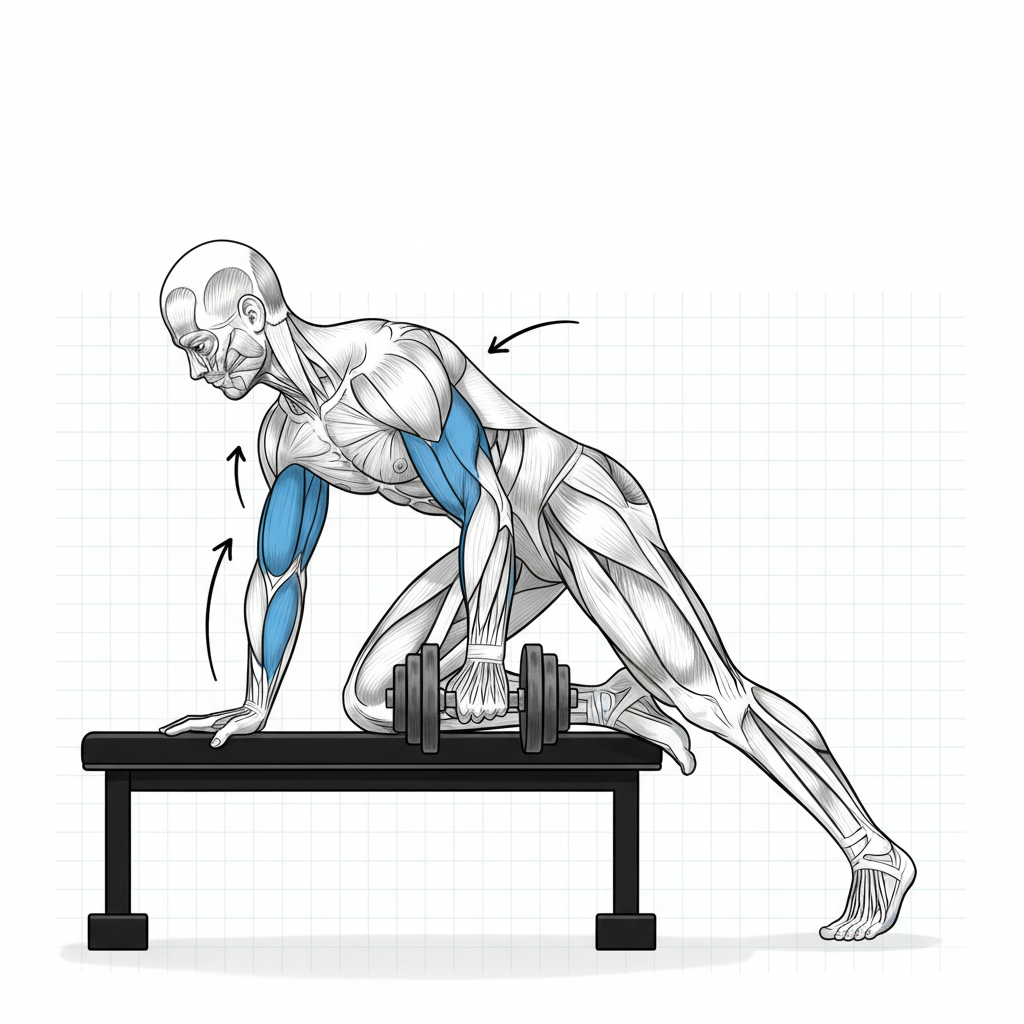
The Single-Arm Dumbbell Row is a cornerstone of unilateral training, specifically designed to isolate the latissimus dorsi, rhomboids, and trapezius while correcting muscular asymmetries. By supporting the body with one hand and knee on a bench, the lifter creates a stable tripod that allows for a maximal range of motion and deep muscle stretch, which are critical for hypertrophy. Unlike barbell rows, the freedom of movement with a dumbbell allows for a more natural pulling path, reducing stress on the wrist and elbow joints. To perform it correctly, treat your hand like a “hook” and lead with the elbow toward the hip, ensuring the back muscles do the work instead of the biceps. This movement is a functional powerhouse because it mimics real-world pulling actions, like starting a manual lawnmower, and builds the grip strength and core stability required for advanced lifting. Its long-term “profit” is a balanced, powerful upper body that protects the spine during daily tasks while creating a thick, defined back.
The Right Way: Stand next to a bench. Place your right knee and right hand on it for support. Keep your back flat like a tabletop. Hold the dumbbell in your left hand, let it hang, then pull it toward your hip by driving your elbow toward the ceiling.
- Repetitions: 8–12 reps per arm.
- Sets: 3 sets.
- Rest: 60 seconds between arms.
Benefits: This exercise is exceptional for addressing muscular imbalances because it works each side of the back independently. It allows for a greater range of motion than a barbell, leading to better lat and rhomboid recruitment.
Harms: If the weight is too heavy, users often resort to “swinging” or twisting the torso, which can cause lower back strain or spinal misalignment.
Right Way to Perform: Place one hand and knee on a bench for support. Keep your back flat and parallel to the floor. Pull the dumbbell toward your hip, leading with your elbow, and squeeze the shoulder blade at the top.
Inside Treasure: The “secret” to this move is focusing on the elbow, not the hand. Think of your hand as a hook; the power should come from pulling your elbow toward the ceiling.
Future Profits: Long-term, this builds functional pulling strength that protects your spine during daily activities and improves your “V-taper” physique.
2. Bent-Over Dumbbell Row
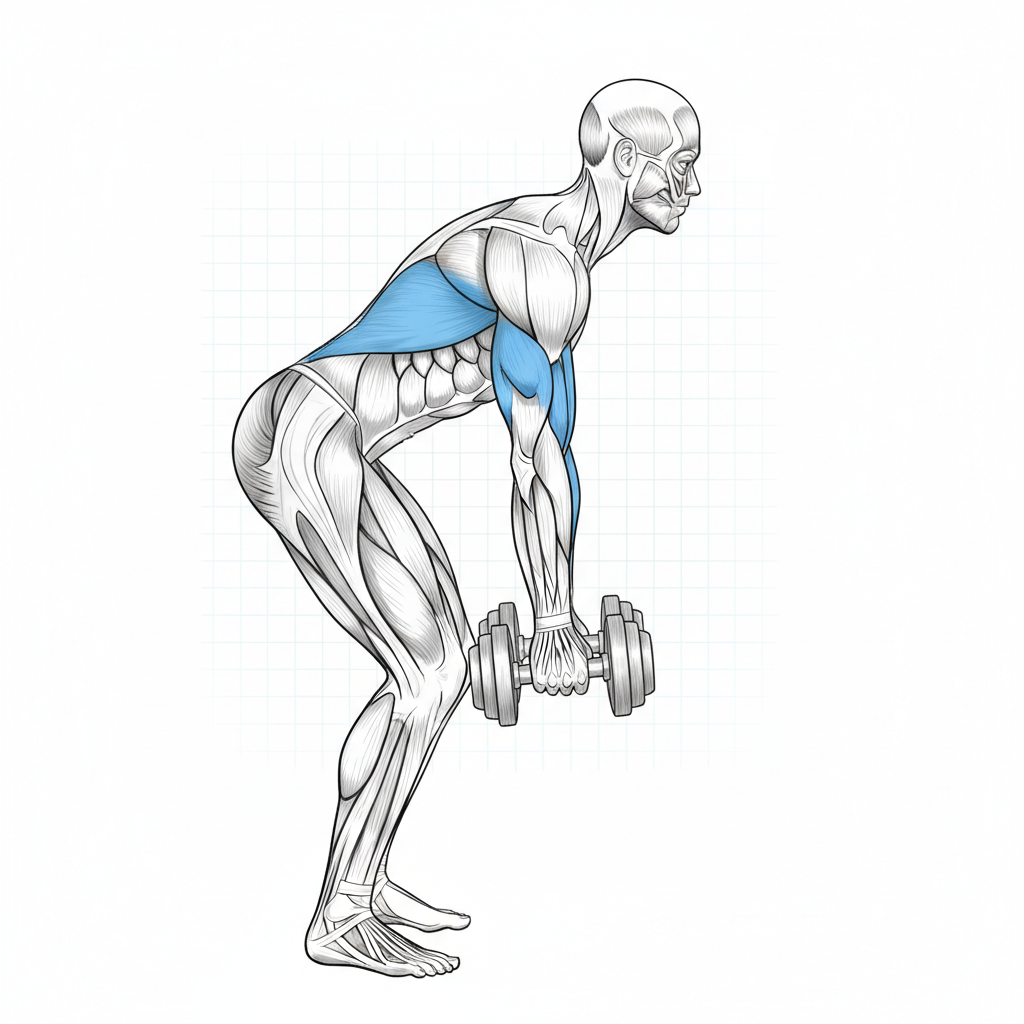
Explanation :
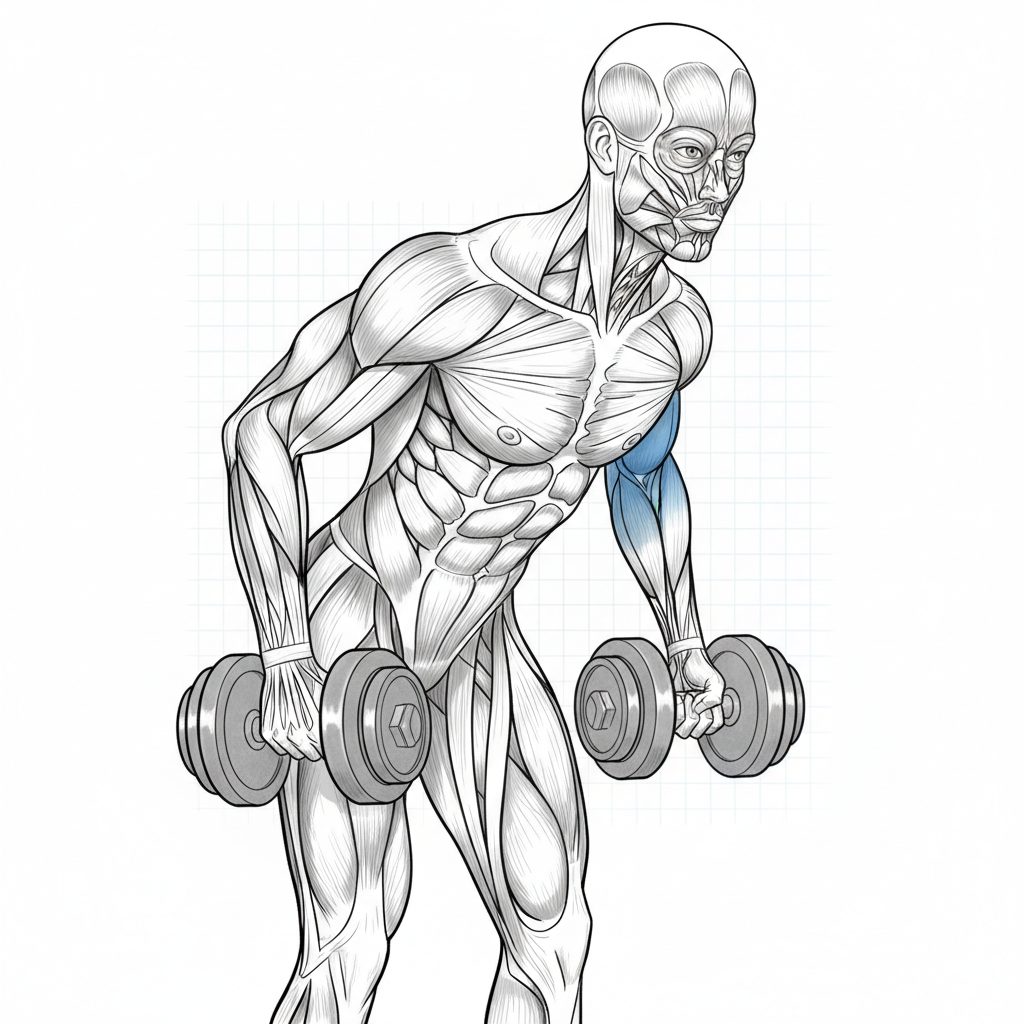
The Bent-Over Dumbbell Row is a bilateral powerhouse that builds significant back thickness and overall pulling power. This exercise requires the lifter to hinge at the hips while maintaining a flat, neutral spine, which simultaneously engages the core and lower back as stabilizers to keep the body steady. By pulling two weights at once, you create a heavy load that stimulates the middle and upper back, including the lats and erector spinae. The key “inside treasure” of this move is the isometric hold at the peak of the contraction, where you squeeze your shoulder blades together as if you are trying to crush a walnut. A common risk involves rounding the lumbar spine, which can lead to disc strain; therefore, keeping the core tight and the back flat like a table is non-negotiable. Over time, this exercise develops the structural integrity of the entire posterior chain, making it essential for anyone looking to improve their posture or increase their capacity for heavy compound movements and athletic performance.
The Right Way: Stand with feet shoulder-width apart. Bend your knees slightly and hinge at the hips until your torso is nearly parallel to the floor. Hold a dumbbell in each hand and pull them both up to your ribcage, squeezing your shoulder blades together at the top.
- Repetitions: 10–12 reps.
- Sets: 3–4 sets.
- Rest: 90 seconds.
Benefits: It targets the middle back and lats while forcing the core to work as a stabilizer. It is one of the best moves for building overall back thickness.
Harms: Poor form—specifically rounding the lower back—puts immense pressure on the lumbar discs, which can lead to injury.
Right Way to Perform: Hinge at your hips with a slight bend in the knees. Keeping your spine neutral (flat), pull both dumbbells toward your ribcage, keeping your elbows close to your body.
Inside Treasure: To maximize engagement, imagine you are trying to crush a walnut between your shoulder blades at the peak of the movement.
Future Profits: This exercise builds the structural integrity needed for heavy lifting and prevents the “slumping” often seen with age.
3. Dumbbell Reverse Fly
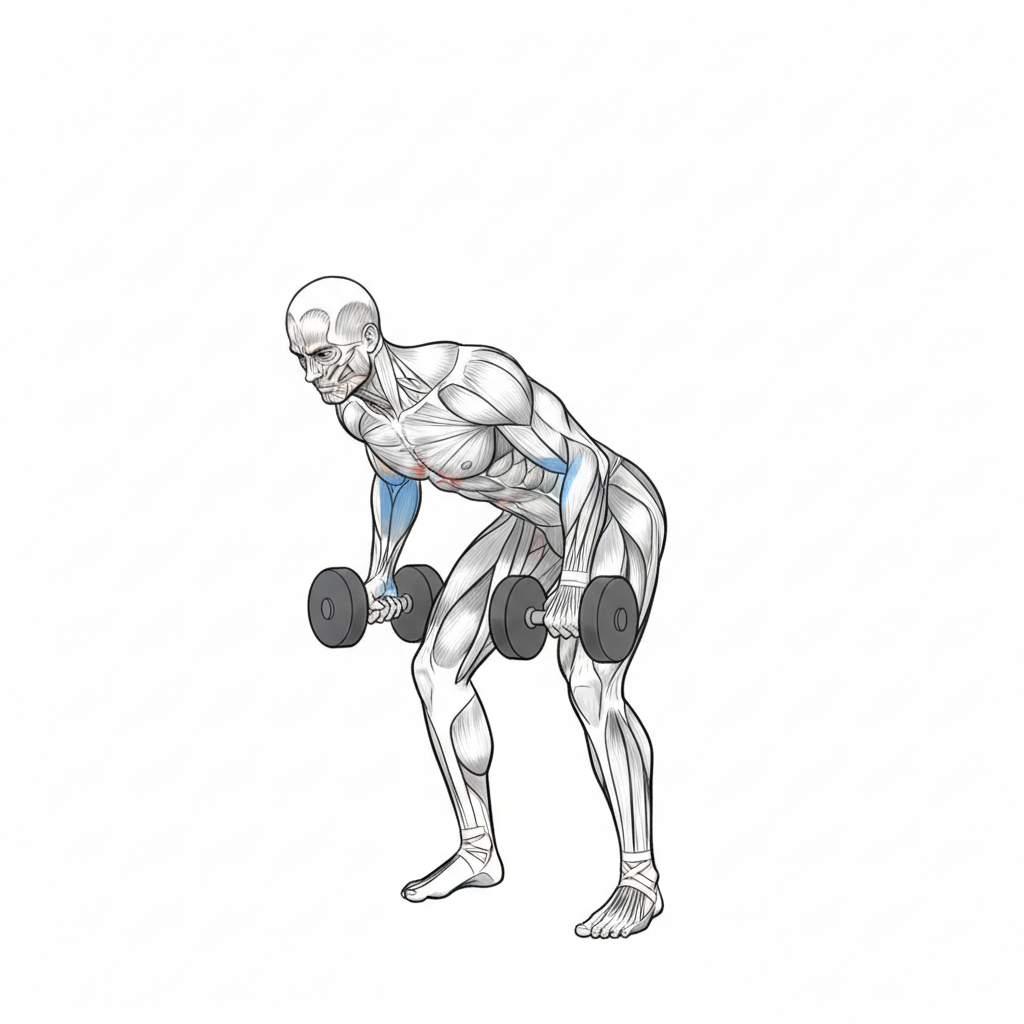
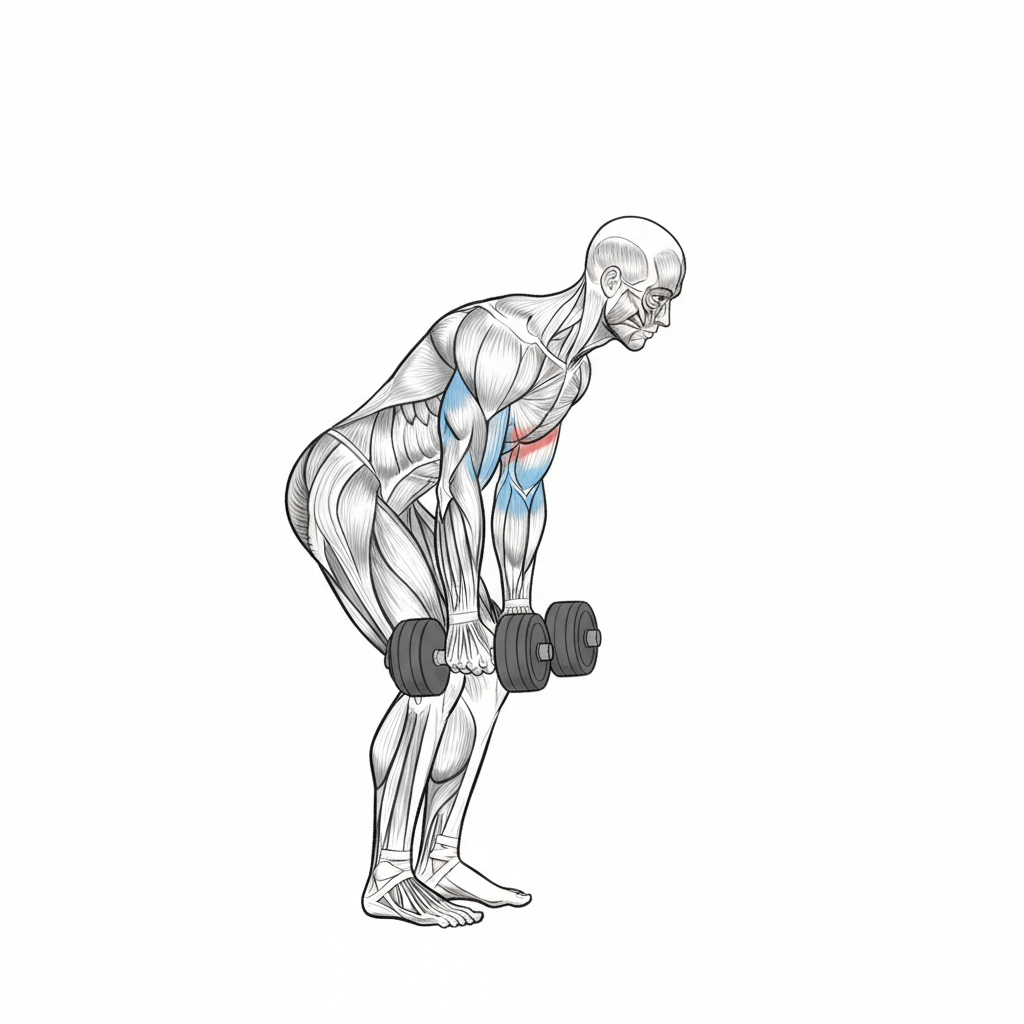
Explanation :
The Dumbbell Reverse Fly is the ultimate corrective exercise for the modern era, specifically targeting the posterior deltoids (rear shoulders) and the muscles between the shoulder blades. In a world where many suffer from “rounded shoulder syndrome” due to excessive desk work and phone use, this movement acts as the antidote by strengthening the muscles that pull the shoulders back into a healthy, upright alignment. It is performed by hinging forward and raising the weights out to the sides like spreading wings, focusing on the squeeze of the rhomboids and middle trapezius. Because these are smaller, more delicate muscle groups, using excessive weight is a mistake; light, controlled repetitions with a “pinkies slightly up” rotation are the “treasure” here to prevent the neck and upper traps from taking over. The future health benefits are immense, as it stabilizes the shoulder joint and prevents chronic tension headaches. It is a subtle but vital move for maintaining a well-rounded, healthy, and symmetrical physique.
The Right Way: Lean forward at the hips with a flat back. Hold light dumbbells with your palms facing each other. With a slight bend in your elbows, raise your arms out to the sides (like spreading wings) until they are level with your shoulders.
- Repetitions: 12–15 reps.
- Sets: 3 sets.
- Rest: 60 seconds.
Benefits: This move isolates the posterior deltoids and the muscles between the shoulder blades, which are crucial for posture correction.
Harms: Using too much weight often leads to “shrugging,” which shifts the tension to the upper traps and neck, potentially causing tension headaches.
Right Way to Perform: Lean forward with a flat back and a slight bend in your elbows. Lift the weights out to the sides (like wings) until they are level with your shoulders.
Inside Treasure: Focus on keeping your pinkies slightly higher than your thumbs; this small rotation ensures the rear delts do the majority of the work.
Future Profits: Consistently doing this prevents “rounded shoulder syndrome” caused by excessive desk work or phone use.
4. Dumbbell Pullover
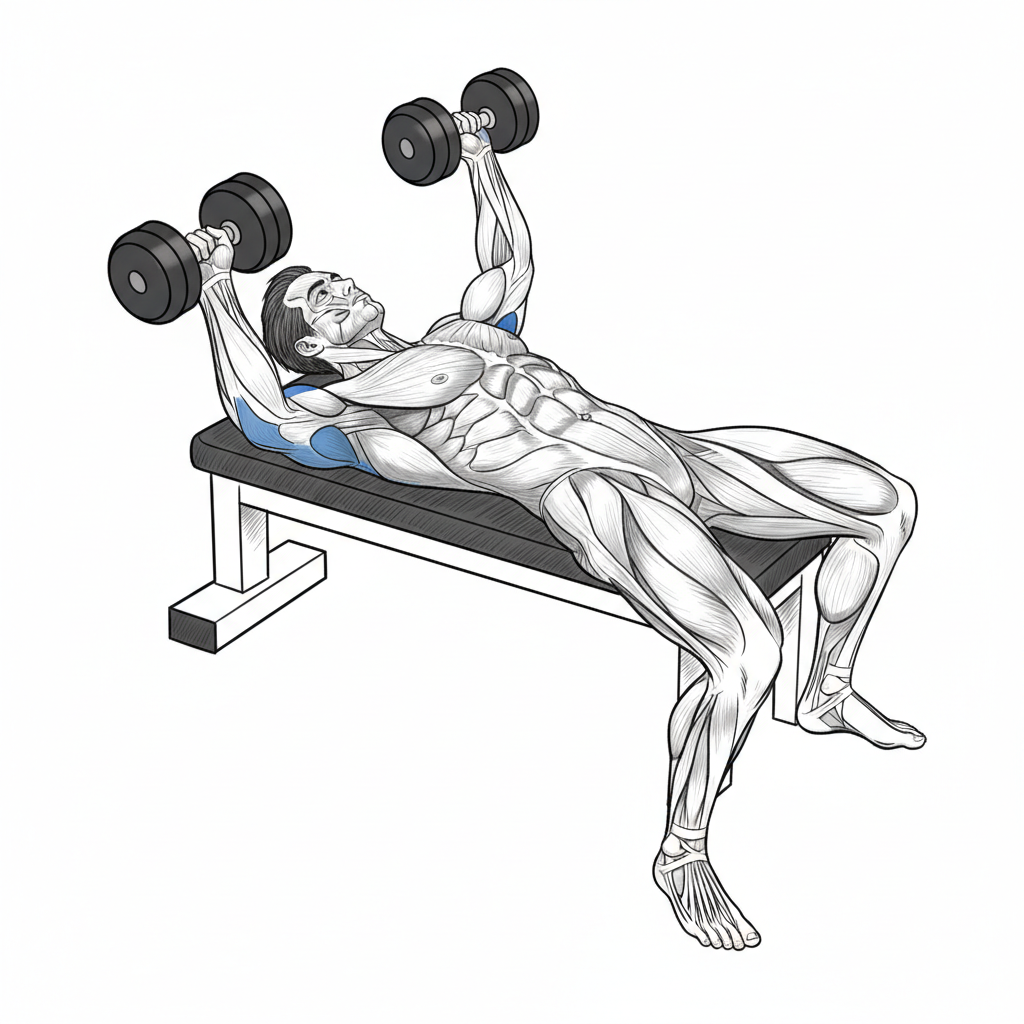
Explanation :
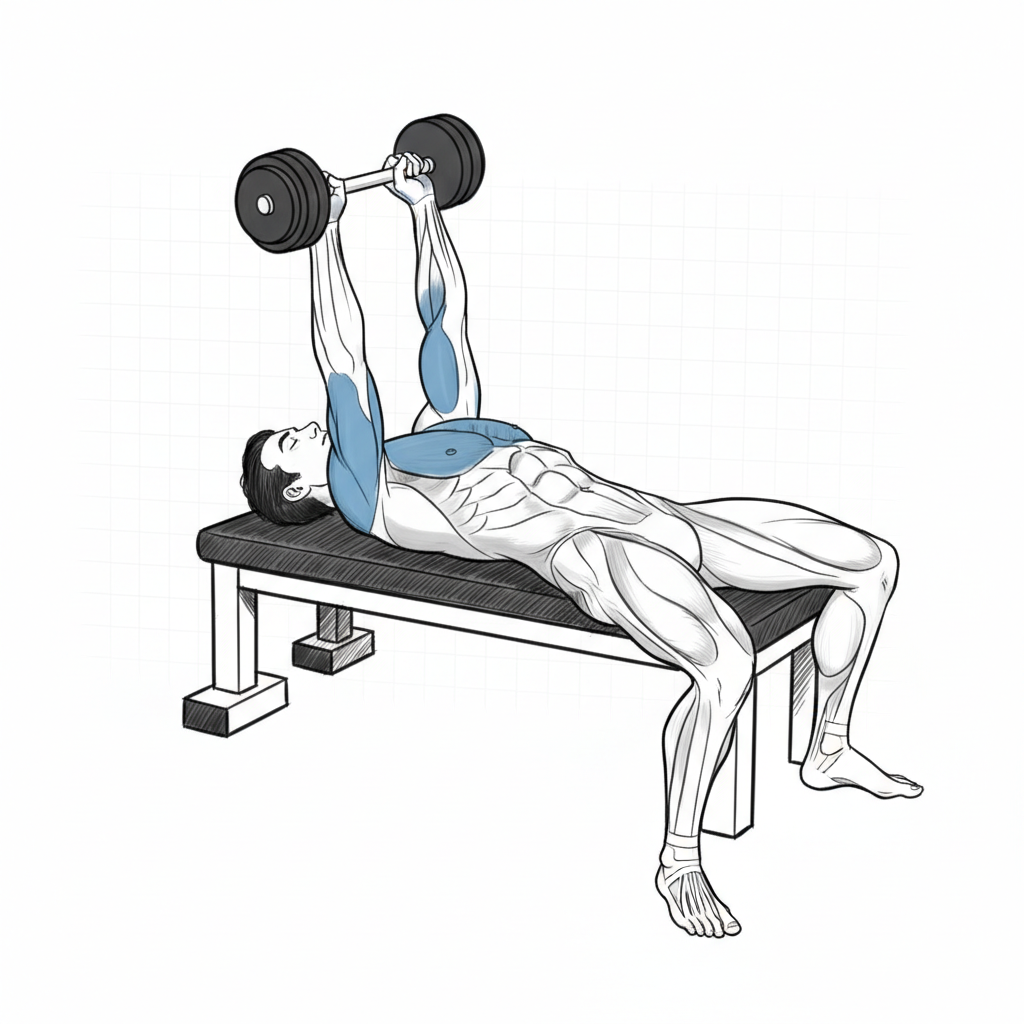
The Dumbbell Pullover is a unique “bridge” exercise that targets the latissimus dorsi through a deep weighted stretch, a mechanism that is rarely achieved in traditional rowing movements. By lying on a bench and slowly lowering a dumbbell behind the head, the lats are elongated under tension, which is a powerful driver for muscle growth and upper body width. While it also engages the chest and triceps, the “inside treasure” for back development is keeping the elbows slightly tucked inward and focusing on the “pull” coming from the armpits rather than the arms. It is crucial not to overextend beyond your natural range of motion to avoid shoulder impingement or rotator cuff strain. Mastering this move provides significant overhead mobility and functional strength, which translates to better performance in sports like swimming or climbing. Its future profit is a wider, more expansive back and improved shoulder flexibility, making it a “secret weapon” for those seeking a classic, aesthetic V-taper physique.
The Right Way: Lie on your back on a bench. Hold one dumbbell with both hands directly over your chest. Slowly lower the weight behind your head until you feel a stretch in your armpits, then use your back muscles to pull it back over your chest.
- Repetitions: 10–12 reps.
- Sets: 3 sets.
- Rest: 60–90 seconds.
Benefits: This is a rare movement that provides a deep stretch to the lats under tension, which is highly effective for muscle growth.
Harms: Moving beyond your natural range of motion can cause shoulder impingement or strain the rotator cuff.
Right Way to Perform: Lie on a bench with your head near the edge. Hold one dumbbell with both hands over your chest. Slowly lower it behind your head, then pull it back to the starting position using your back muscles.
Inside Treasure: Keep your elbows slightly tucked inward rather than flared out; this protects the shoulder joints and keeps the focus on the lats.
Future Profits: Enhances overhead mobility and creates a wider, more powerful-looking upper body.
5. Renegade Row
Explanation :
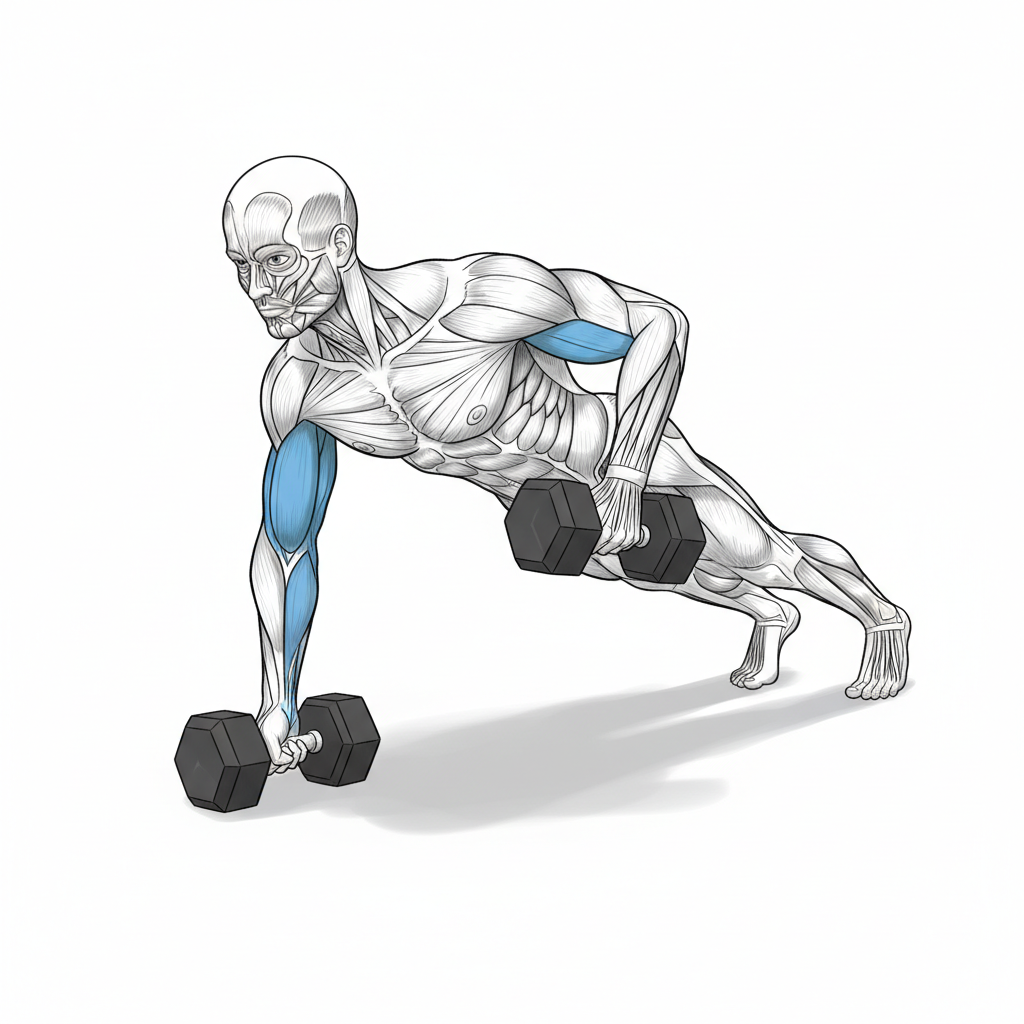
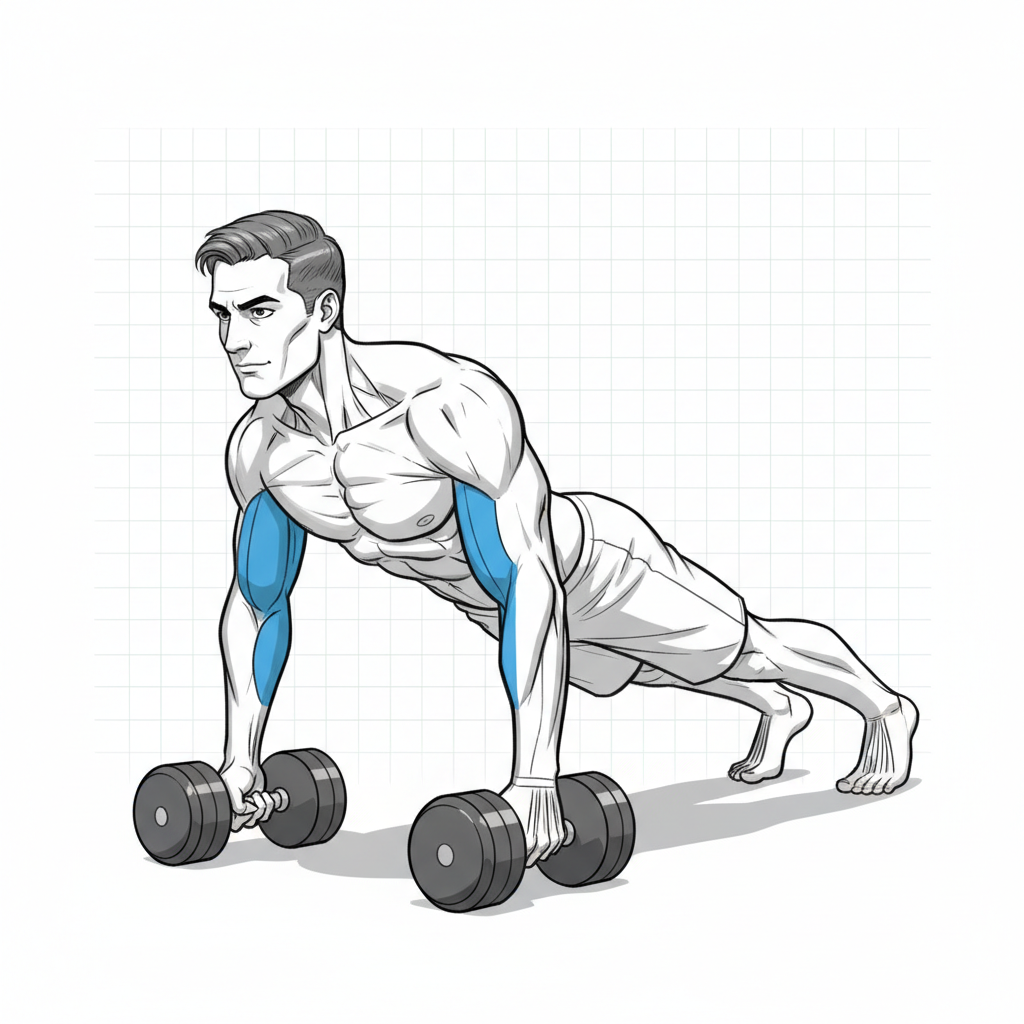
The Renegade Row is a sophisticated functional movement that marries back strength with intense anti-rotational core stability. By performing a row from a high plank position on dumbbells, the body is forced to resist gravity and rotation simultaneously, engaging the lats, rhomboids, and the entire “six-pack” core. The primary challenge—and its greatest benefit—is keeping the hips perfectly square to the ground while one arm pulls the weight; any wobbling or swaying reduces the effectiveness of the move. This exercise is perfect for athletes who need to remain stable while exerting force, such as in wrestling or rugby. The “treasure” is a widened foot stance, which provides the necessary base to maintain perfect form while the back and core work in unison. In terms of future health, the Renegade Row builds a bulletproof core and a balanced back, significantly reducing the risk of lower back injury during sudden, twisting movements in everyday life or during high-impact sports.
The Right Way: Start in a high plank position with each hand gripping a dumbbell on the floor. Keeping your hips perfectly still, row one dumbbell up to your hip, set it down, and then repeat with the other arm.
- Repetitions: 8–10 reps per side.
- Sets: 3 sets.
- Rest: 90 seconds.
Benefits: This is a full-body functional movement that tests back strength and core stability simultaneously.
Harms: If the core isn’t engaged, the hips will sag, putting excessive stress on the lower back.
Right Way to Perform: Start in a plank position with your hands on dumbbells. Row one weight to your hip while keeping your body perfectly still, then switch sides.
Inside Treasure: The “hidden” trick is to widen your foot stance. This provides a more stable base, making it easier to prevent your hips from rotating.
Future Profits: Develops “anti-rotational” core strength, which is vital for preventing back injuries during sudden movements or sports.
6. Dumbbell Deadlift
Explanation :
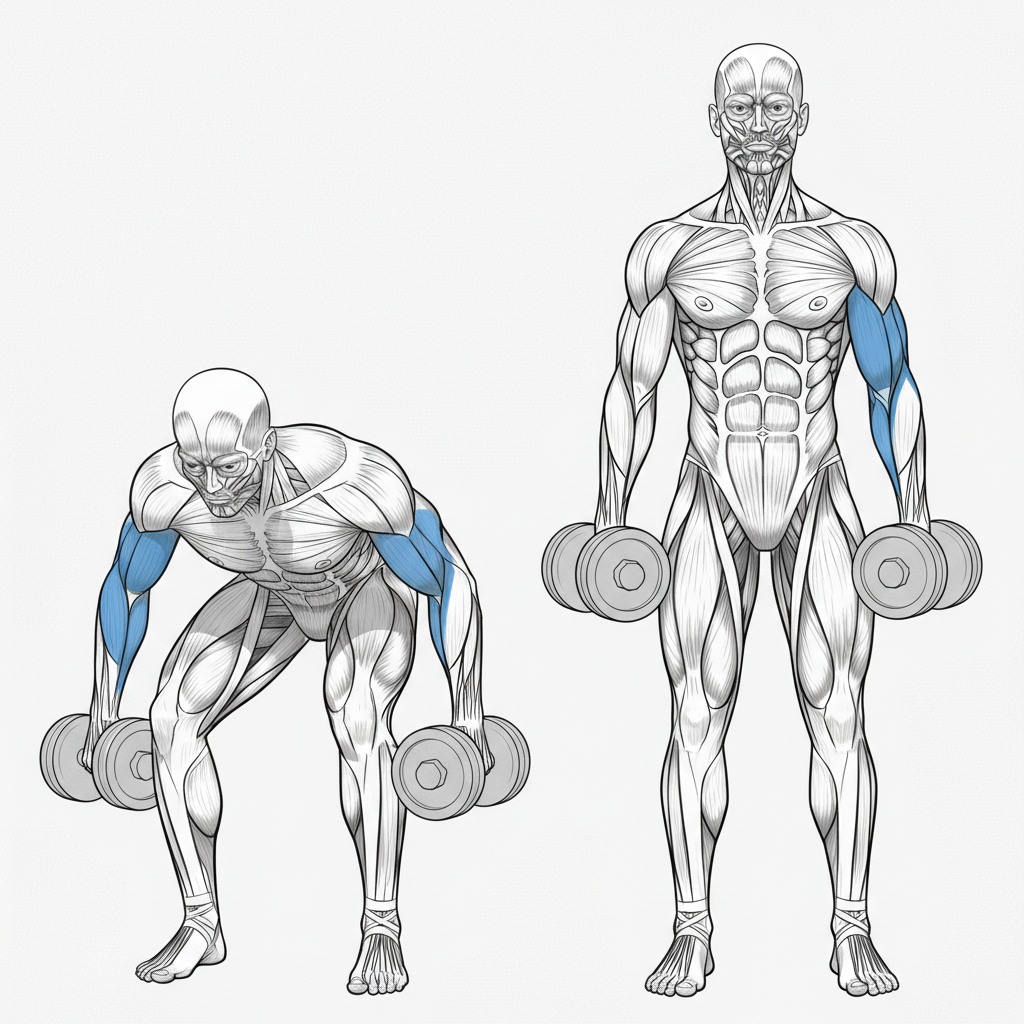
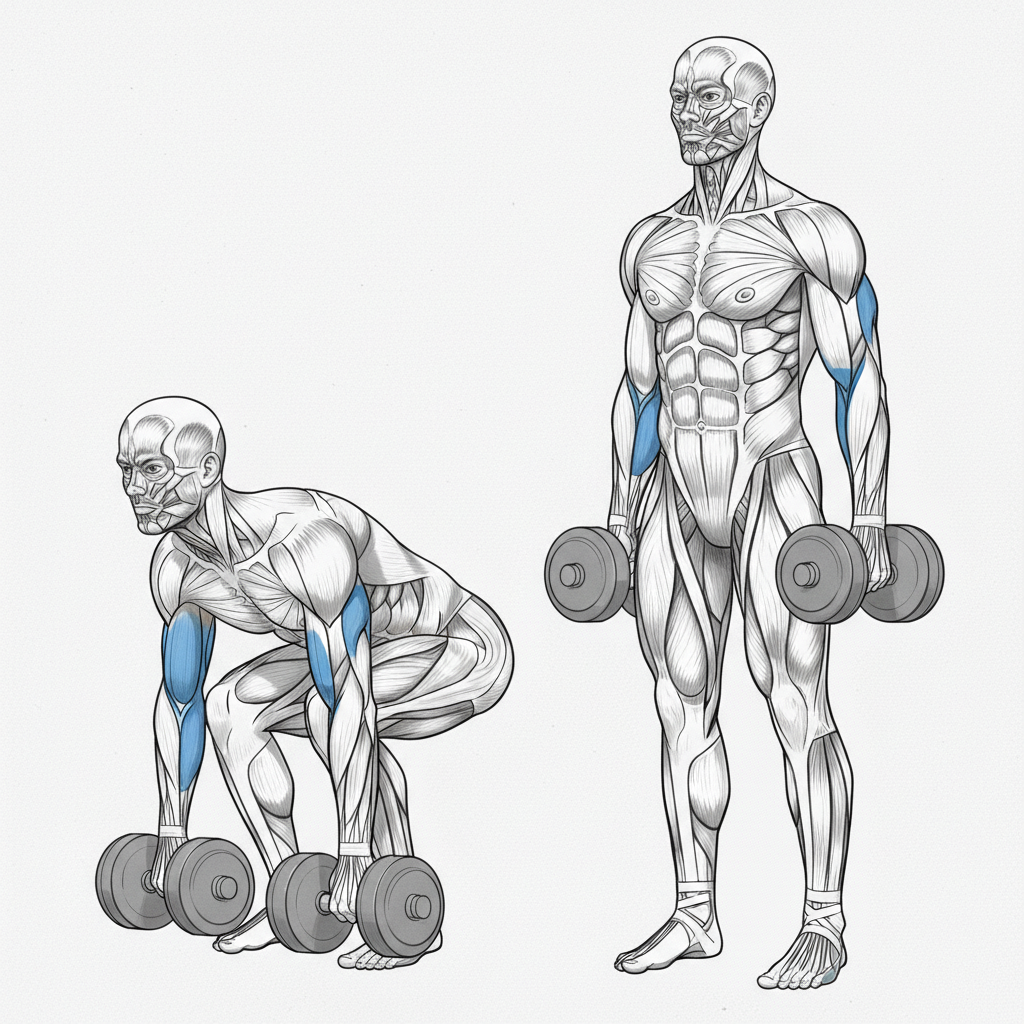
The Dumbbell Deadlift serves as the foundation for the posterior chain, strengthening everything from the heels to the neck, with a primary focus on the lower back, glutes, and hamstrings. Unlike the barbell version, using dumbbells allows for a more natural weight distribution at the sides of the body, making it more accessible for beginners and often safer for the lower back. The “right way” involves a deep hip hinge where the weights stay close to the shins, pushing through the heels to reach a tall, proud standing position. The mental shift of “pushing the floor away” rather than “pulling the weight up” is the “inside treasure” that prevents the back from rounding and ensures the legs and glutes are doing their part. The future profit of this exercise is increased bone density and functional longevity, as it trains the body to pick up heavy objects safely. it is the single most important move for building a “pillar of strength” that supports the rest of the body’s movements as you age.
The Right Way: Stand with feet hip-width apart, dumbbells at your sides. Hinge your hips back and bend your knees to lower the weights toward the floor, keeping your back straight. Push through your heels to stand back up to a full upright position.
- Repetitions: 8–12 reps.
- Sets: 3–4 sets.
- Rest: 90–120 seconds.
Benefits: It strengthens the entire posterior chain, including the lower back, glutes, and hamstrings. It is a foundational movement for total body power.
Harms: Jerking the weight off the floor or failing to maintain a flat back can lead to acute back spasms or herniation.
Right Way to Perform: Stand with feet shoulder-width apart. Hinge at the hips and bend your knees to grip the dumbbells. Push through your heels to stand up straight, keeping the weights close to your legs.
Inside Treasure: Think about “pushing the floor away” with your feet rather than “pulling the weight up.” This mental shift engages the legs and protects the back.
Future Profits: Increases bone density and ensures you can safely pick up heavy objects as you age.
7. Chest-Supported Row
Explanation :
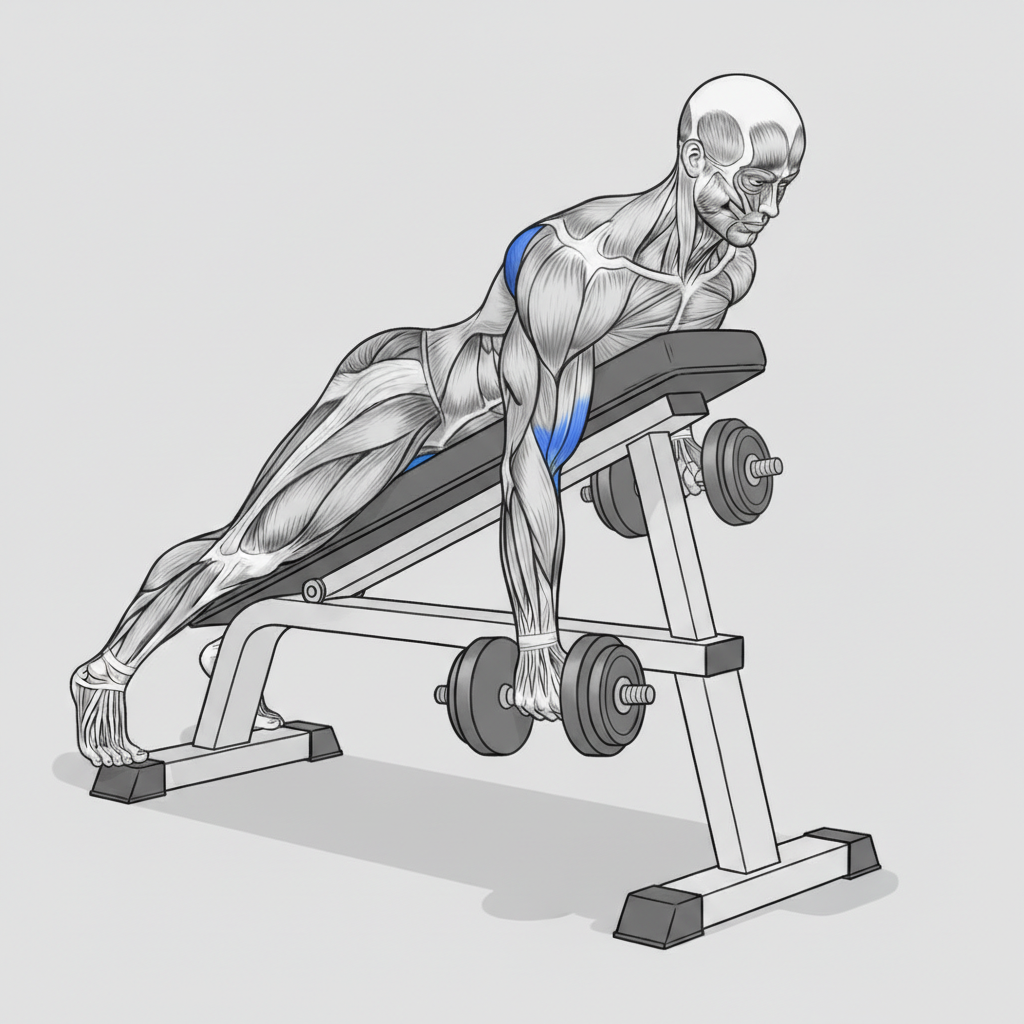
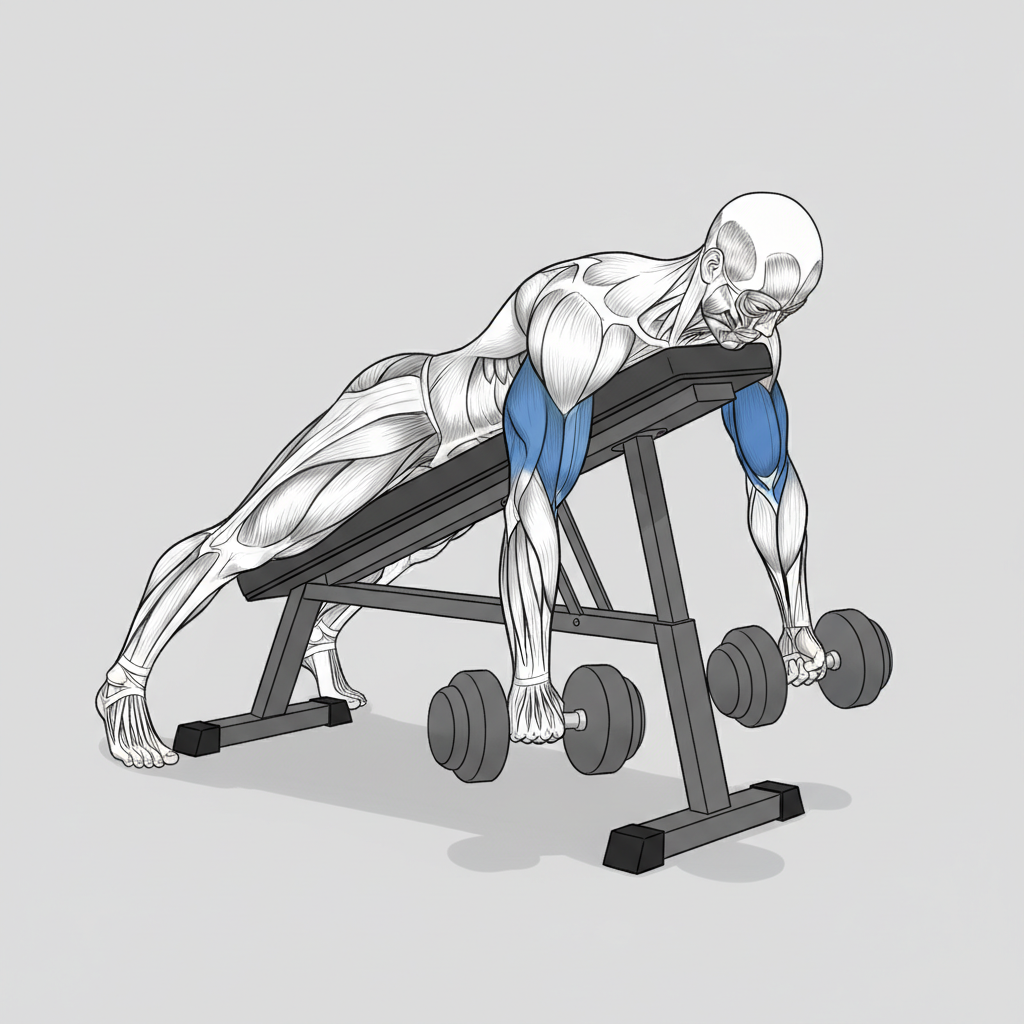
The Chest-Supported Row is often called the “honest row” because it removes the ability to use momentum, forcing the upper and middle back muscles to do 100% of the work. By lying face-down on an incline bench, the torso is completely immobilized, which eliminates “cheating” through body swinging or leg drive. This isolation is the “treasure” that leads to maximal muscle fiber recruitment and hypertrophy in the rhomboids, lats, and traps. It is especially beneficial for those with lower back sensitivities or fatigue, as the bench provides all the necessary support, allowing the trainee to lift heavy without risking spinal misalignment. A future benefit of this exercise is the development of an intense mind-muscle connection, which carries over to every other pulling movement you perform. By mastering the squeeze at the top without any external help or swinging, you build a thick, detailed back that is both strong and visually impressive, all while protecting the lumbar spine from unnecessary strain.
The Right Way: Set an adjustable bench to a 45-degree incline. Lie face-down on the bench with your chest pressed against the pad. Let the dumbbells hang, then row them toward your waist, ensuring your chest stays in contact with the bench the entire time.
- Repetitions: 10–12 reps.
- Sets: 3 sets.
- Rest: 60–90 seconds.
Benefits: By removing the need to stabilize the core, it isolates the back muscles and prevents “cheating” with momentum.
Harms: There are few risks other than potential rib discomfort if the bench is not padded well or if the user breathes too shallowly.
Right Way to Perform: Lie face-down on an incline bench. Let the dumbbells hang down, then row them toward your hips, squeezing your shoulder blades together at the top.
Inside Treasure: Use a dead-stop at the bottom of each rep. Letting the weights hang for a second resets your muscle fibers and ensures no momentum is used.
Future Profits: Builds maximal muscle hypertrophy (size) in the upper back, leading to a strong, stable “pillar” for the rest of the body.
FAQ
1. Can I build a thick, powerful back using only dumbbells?
Yes, absolutely. While many believe barbells are the only way to build mass, dumbbells offer a unique advantage: a greater range of motion. Because your hands aren’t fixed to a bar, you can pull the weights further back, leading to deeper muscle fiber recruitment in the lats and rhomboids. Additionally, dumbbell exercises like the Single-Arm Row allow you to focus on one side at a time, which is the most effective way to identify and fix muscular imbalances that a barbell might hide.
2. Why do I feel my arms (biceps) working more than my back during rows?
This is a common issue caused by “pulling with the hands” instead of the back. To fix this, you must treat your hands simply as hooks and focus on driving your elbows toward the ceiling. In movements like the Bent-Over Row, the “inside treasure” is to imagine you are trying to squeeze a walnut between your shoulder blades at the top of the movement. This mental shift ensures the tension stays on the large back muscles rather than the smaller bicep muscles.
3. What is the best dumbbell exercise to fix "hunched" or rounded shoulders?
The Dumbbell Reverse Fly is arguably the most underrated exercise for posture. Most people overtrain their chest and front shoulders, which pulls the body forward. The Reverse Fly specifically isolates the posterior deltoids and middle trapezius, which act as the “reins” that pull your shoulders back into a healthy, upright position. Regularly performing these improves your posture and shoulder health, preventing long-term desk-related strain.
4. How can I work my back if my lower back is already sore or tired?
You should switch to a Chest-Supported Row. One of the biggest “harms” in back training is the stress placed on the lumbar spine during standing movements like the Bent-Over Row. By lying face-down on an incline bench, you provide a stable platform for your torso, which eliminates the need for lower-back stabilization. This allows you to safely isolate your upper and middle back muscles even if your lower back is fatigued.
5. Are Dumbbell Pullovers for the chest or the back?
While they involve the chest, the Dumbbell Pullover is a legendary back exercise because it provides a deep stretch to the latissimus dorsi (lats) under tension. This stretch is a primary driver for muscle growth (hypertrophy). To ensure it hits your back, keep your elbows slightly tucked inward and focus on the “pull” coming from your armpits rather than your triceps. This makes it a “secret weapon” for increasing back width.
6. Is it better to do high reps with light weights or low reps with heavy weights for the back?
A mix is best, but it depends on the specific exercise. For foundational movements like the Dumbbell Deadlift or Rows, heavier weights are essential for building thickness and structural integrity. However, for isolation moves like the Reverse Fly, using weights that are too heavy often leads to “shrugging” and neck strain. For these, lighter weights with higher reps and perfect form are superior for targeting the specific, smaller muscles of the upper back.